Ryan Parker was known among his friends as the “always online” guy. No matter where he was — at work, at dinner, or even during family gatherings — his eyes were fixed on his phone screen. Social media notifications controlled his attention, endless videos consumed his nights, and online trends shaped his mood every single day.
At first, Ryan thought it was harmless entertainment. Everyone around him was doing the same thing. But slowly, technology stopped being a tool and became a trap.
Every morning started with checking notifications before even leaving bed. He compared his life to strangers online and felt like everyone else was happier, richer, and more successful. His confidence began to disappear without him realizing it.
Even though he spent hours connected to people online, he felt lonely in real life.
One evening, Ryan visited his parents after several months. During dinner, his mother quietly asked him, “Why do you always look tired?”
Ryan laughed and said, “I’m fine, just busy.”
But deep inside, he knew something was wrong.
That night, he couldn’t sleep. His mind felt overloaded with information, videos, and endless thoughts. He picked up his phone again, opened social media, and mindlessly scrolled for hours. Suddenly, the screen froze because of a weak internet connection.
For the first time in years, silence filled the room.
Ryan looked outside his window and noticed the city lights glowing peacefully in the distance. Cars moved slowly through the streets while cool wind entered the room. He realized he had forgotten how to enjoy quiet moments.
The next morning, he made a decision that sounded impossible to him:
He deleted every social media app from his phone for one week.
The first day felt uncomfortable. He kept unlocking his phone automatically without thinking. He felt bored, restless, and disconnected. It was almost like his brain was addicted to constant stimulation.
But by the third day, something unexpected happened.
He started noticing life around him again.
On his way to work, he saw a flower shop he had never noticed before. He heard birds singing during his morning walk. He actually listened to music instead of skipping songs every thirty seconds.
At work, his focus improved. Tasks that normally took hours were completed quickly because he wasn’t constantly distracted by notifications.
One weekend, Ryan decided to visit a nearby park without carrying headphones. Families were laughing together, children were running across the grass, and elderly people sat peacefully under trees discussing life stories. Everything felt real and alive.
For years, he had been watching life through a screen instead of truly living it.
As weeks passed, Ryan built new habits. He started reading books before sleeping. He learned cooking from his grandmother. He began exercising every morning and writing his thoughts in a journal.
Most importantly, he spent more time with people he loved.
His relationship with his parents became stronger. Conversations with friends felt deeper and more meaningful. Instead of sending quick reactions online, he met people face-to-face and created genuine memories.
One day, Ryan met his old college friend Daniel at a café. During their conversation, Daniel said something that stayed in Ryan’s mind forever:
“Technology should improve life, not replace it.”
That sentence changed the way Ryan viewed the modern world.
He realized that social media itself wasn’t evil. The problem was losing control over how much power it had over his thoughts, emotions, and time.
Months later, Ryan’s life looked completely different.
He still used technology, but with balance. He no longer checked his phone every few minutes. He stopped comparing his journey to others online. His mental health improved, his sleep became better, and he finally felt present in his own life again.
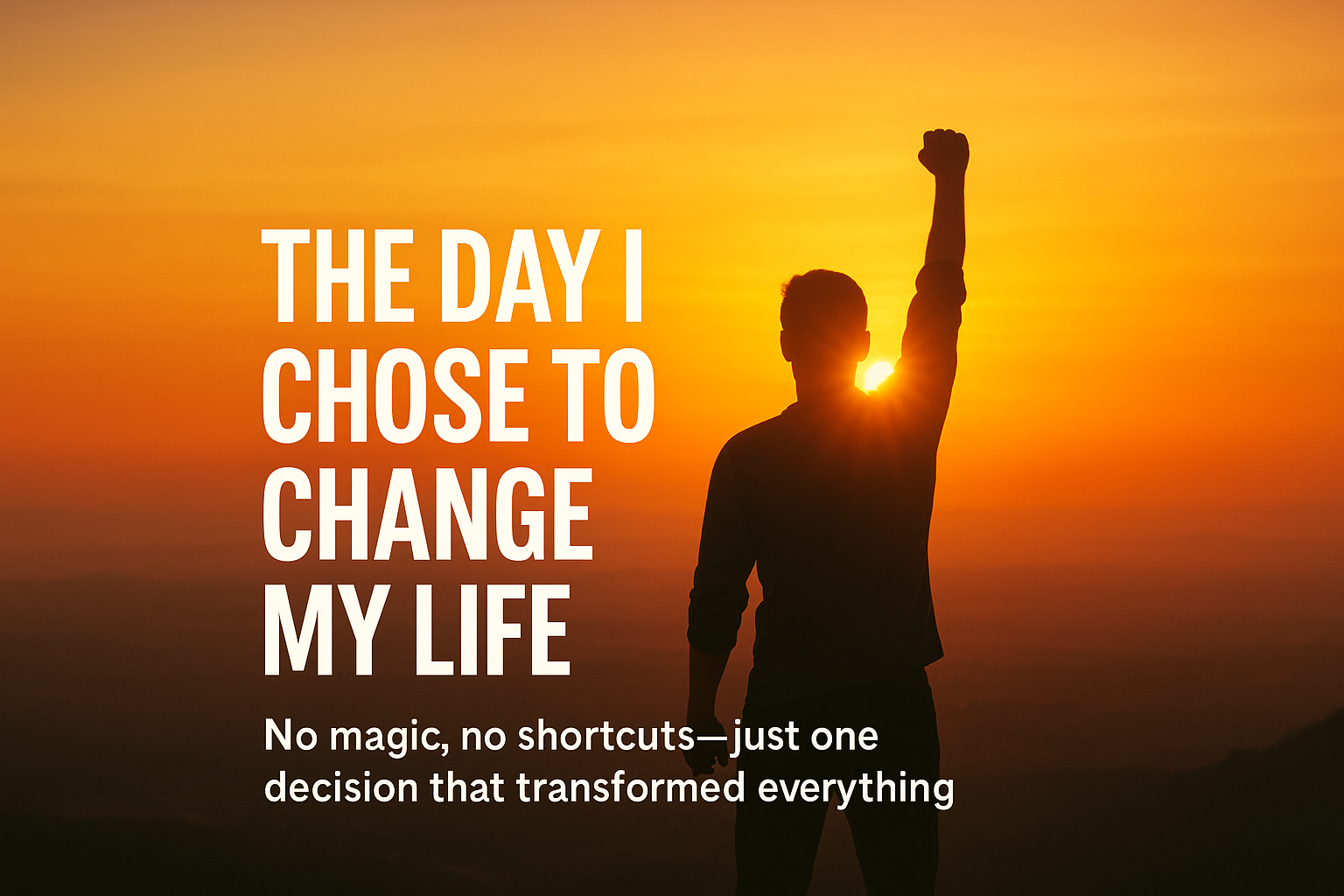
One evening, Ryan sat on his balcony watching the sunset paint the sky orange and gold. His phone rested silently on the table beside him.
For the first time in years, he felt truly free.
He smiled quietly and realized something important:
The best moments in life are often the ones that never get posted online.
And sometimes, disconnecting from the digital world is the first step toward reconnecting with yourself.